International Niemann–Pick Disease Alliance
What are Niemann-Pick diseases?
Niemann-Pick diseases (NPD) are rare inherited Lysosomal Storage Disorders (LSDs) that can affect both children and adults. There are three recognised forms of NPD. Acid Sphingomyelinase Deficiency (ASMD – also called Niemann Pick Types A and B) is caused by an enzyme deficiency, causing a build-up of toxic materials in the body’s cells. Niemann-Pick Type C is not caused by an enzyme deficiency, but the end result is the same; an accumulation of materials (cholesterol and other fatty acids) in the body’s cells.
Acid Sphingomyelinase Deficiency (ASMD)

Acid Sphingomyelinase Deficiency (ASMD) or Niemann-Pick Disease Type A (NPA) and Type B (NPB) are caused by a lack of Acid Sphingomyelinase (ASM), which causes a build-up of toxic materials in the body’s cells, and organs to stop working properly. In NP-A this accumulation occurs very quickly, an affected child will usually die before reaching three years of age. NP-B does not affect the brain and, although growth may be slow, those affected will survive into adulthood, with many being able to lead a full and normal life.
A small number of patients may be described as having A/B variant, falling in the middle of the spectrum and exhibiting neurological problems which may become more apparent over time.
Niemann-Pick Type C (NPC)
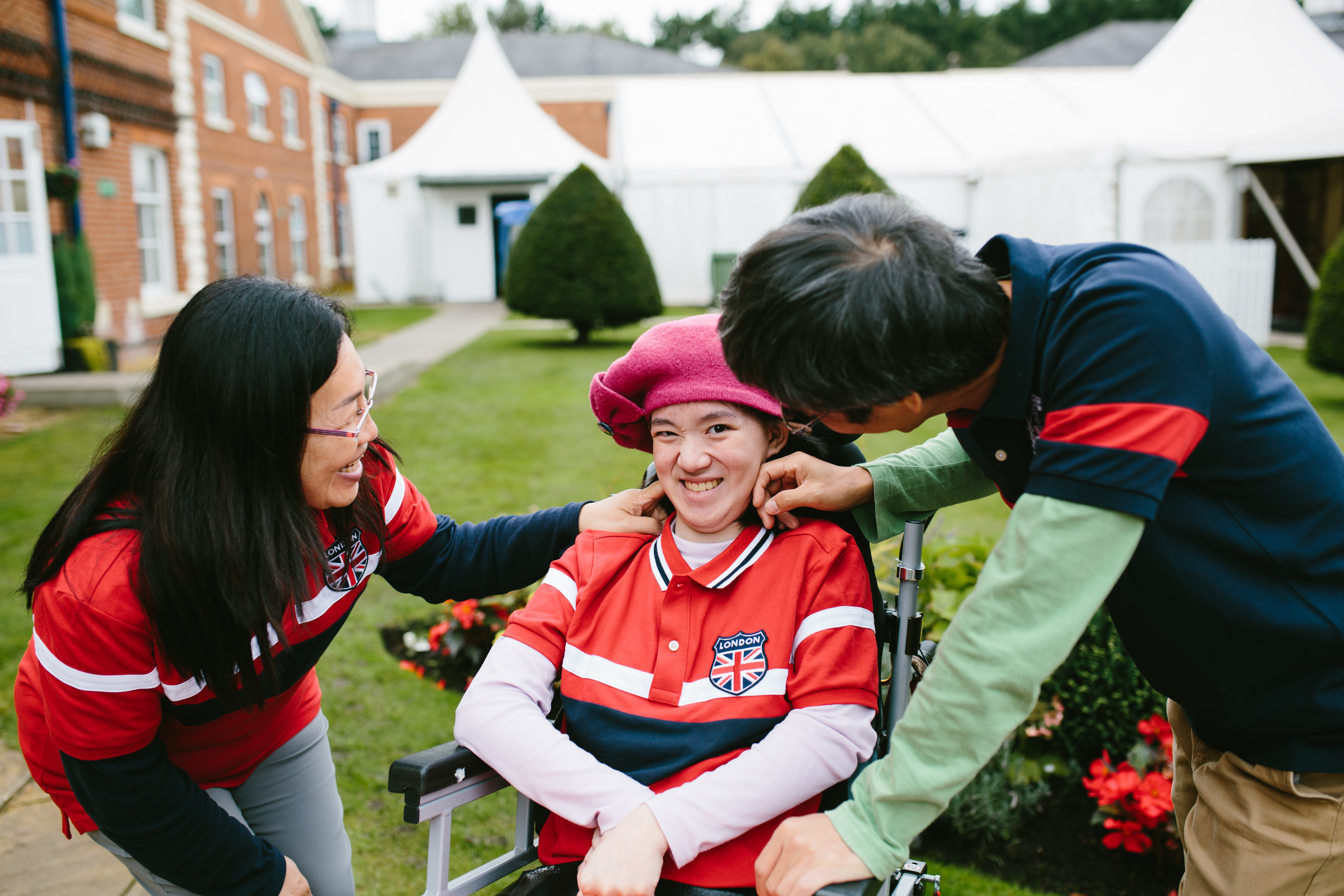 Niemann-Pick Type C disease (NPC) is a life-limiting metabolic condition, caused by an accumulation of lipids (fats) in the liver, brain and spleen. The brain and other organs are affected, leading to progressive intellectual decline, loss of motor skills, seizures and dementia. Speech can become slurred and swallowing problems may develop. The rate at which the disease progresses varies greatly between patients; children who develop neurological symptoms in early childhood are thought to have a more aggressive form of the disease, others may remain symptom free for many years.
What causes NPD?
Niemann-Pick are inherited diseases. It is inherited in an autosomal recessive manner. In simple terms, this means that both parents have to be carriers of the faulty gene. In each pregnancy of a carrier couple, there is a 25% chance that they will both pass on this gene mutation to their child.
With a recessive condition, a person may be a carrier of a disease gene, but with no noticeable effect in their everyday lives and health. A positive diagnosis of Niemann-Pick disease in a child means that each of the parents is a carrier of a disease causing genetic mutation. NPC incidence is widely reported at 1 in 120,000, although recent work suggests this may be an under-estimate. ASMD incidence is estimated to be 1 in 250,000.
Why is it called NPD?
Niemann-Pick diseases are quite separate in terms of the fundamental cause but the similarities in clinical presentation have resulted in the naming of the diseases as Niemann-Pick, after two doctors who described the symptoms in the early part of the 20th century.
It was not until 1958 that the disease presentations were classified into type A, B and C. In 1966 types A and B were identified as a deficiency in a lysosomal enzyme, acid sphingomyelinase. In 1997 the genetic link was made which accounted for most of the NPC cases and was identified as NPC1. Subsequently, a further link was made with a second gene, NPC2, which accounted for most of the remaining cases.
Living with NPC: Patient and Professional Statements



Living with NPC: The Poincilit Family
Living with NPC: National Niemann-Pick Disease Foundation



Can Niemann-Pick diseases be treated?
ASMD Niemann Pick Type A: Unfortunately there is no cure or disease modifying treatment available for this condition. At present, caring for children with Type A involves treating the many symptoms that result from the disease. The main focus of this symptomatic treatment is to ensure that their quality of life is as high as possible.
ASMD Niemann Pick Type B: There is currently no specific treatment for ASMD NPB, but medications can be taken to treat the symptoms of the illness.
Genzyme, a Sanofi company, is continuing its clinical development of a potential enzyme replacement therapy, recombinant human acid sphingomyelinase (rhASM), and is actively preparing to initiate two clinical trials. One is a Phase 2/3 adult clinical trial and a second is a Phase 1/2 pediatric trial. For further information you can also visit Genzyme’s clinical trials page.
Niemann Pick Type C: There is currently no cure for NPC, and treatments focus on managing symptoms. There are three medications that have been approved in different regions for the treatment of the neurological impacts of Niemann-Pick disease type C. Zavesca (Miglustat), is approved in the European Union, Canada and Japan as the first treatment specifically for patients with NPC with progressive neurological disease. In the past few years two new medications have been approved for the treatment of the neurological symptoms of NPC. Aqneursa (Levacetylleucine) has been approved by regulatory authorities in the United States(FDA) and Europe (EMA) for the treatment of the neurological symptoms of NPC. Miplyffa (Arimoclomol) has been approved by regulators in the United States (FDA) for the treatment of the neurological symptoms of NPC.
There are a number of additional therapies in development for Niemann-Pick Disease type C including intrathecal cyclodextrin, IV cyclodextrin, gene therapy. You can find current information about these therapies and clinical trials on the clinical trials and research page on this website which you can access here.
NPD Information Sheets
The information sheets available provide a clear and concise summary of NPC and ASMD NPA and NPB. They can be downloaded and are useful for anyone interested in understanding NPD.